A year or two ago, AI video was still a party trick. Impressive in a demo, unusable in an actual campaign. That gap has closed faster than almost anyone predicted, and by 2026 the conversation isn't "should brands use AI video" anymore. It's already the default for a huge share of what gets made. Some industry estimates put the majority of marketing video as AI-generated or AI-assisted at this point. The real question now is what that's actually doing to how brands tell stories, and what's still missing.
The technical wall that just came down
For a long time, the single biggest thing stopping AI video from being usable for real brand work was consistency. You could get one gorgeous shot of a character, but the same character in the next shot would have a slightly different face, different outfit, different everything. That made anything beyond a single clip basically unusable for a brand that needs to look like itself across an entire campaign.
That's changed. Character and scene consistency across shots has gone from an impressive feature to a baseline expectation. Brands can now build a persistent character or product presence across a multi-shot sequence, even an ongoing series, without every frame needing to be manually corrected in post. That single shift is what actually opened the door to AI video being used for real storytelling instead of one-off novelty clips.
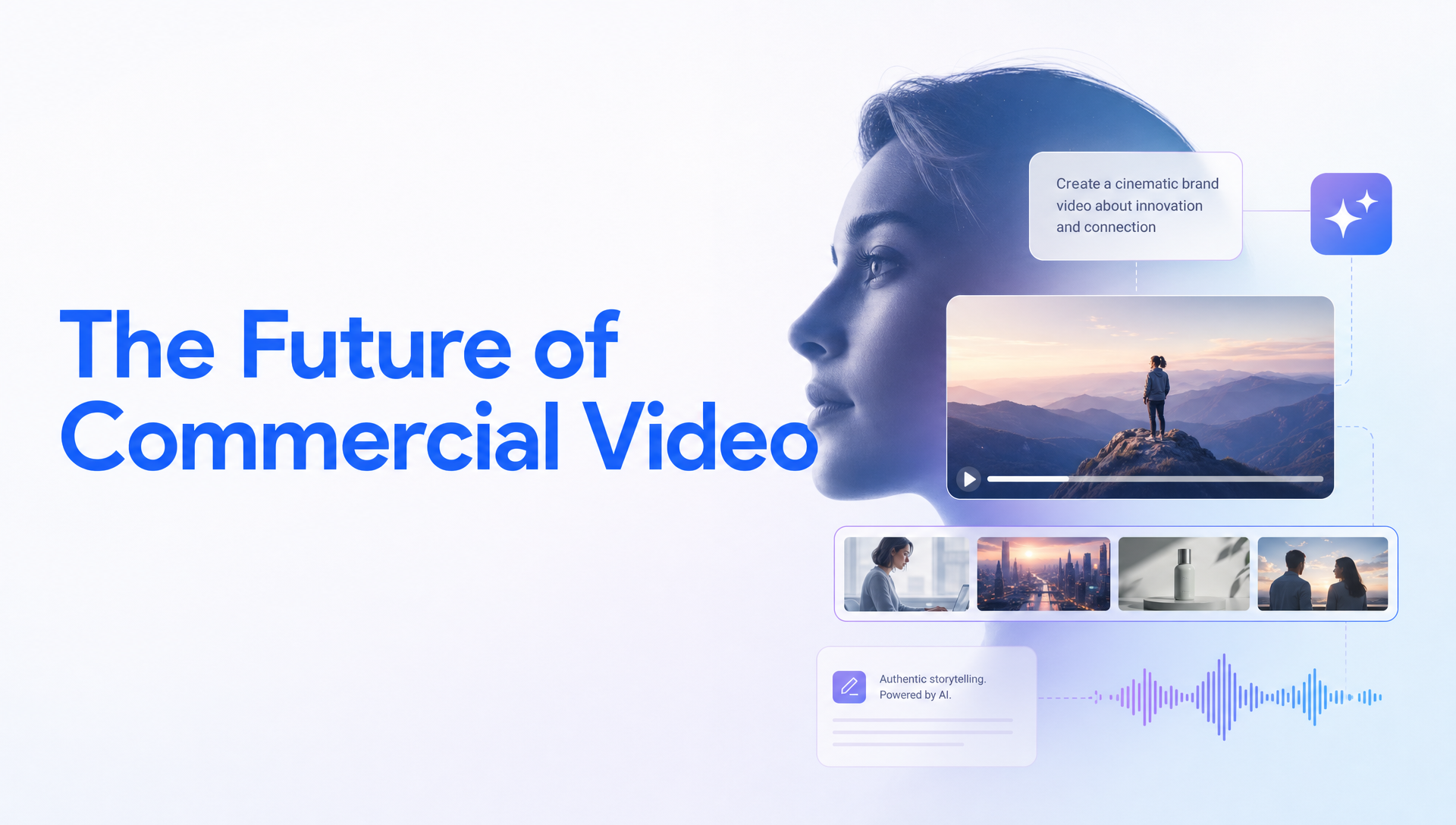
The other big technical unlock is native audio. Instead of generating a silent clip and bolting on voice, music, and sound effects afterward, current models can produce dialogue, music, and sound design in the same generation pass as the visuals. The result feels considerably more organic than the stitched-together AI content from even a year ago, because the audio and picture were never separate problems to begin with.
What this actually changes about storytelling, not just production
The efficiency story is obvious: faster, cheaper, more output. What's more interesting is how it's changing the shape of the stories themselves.
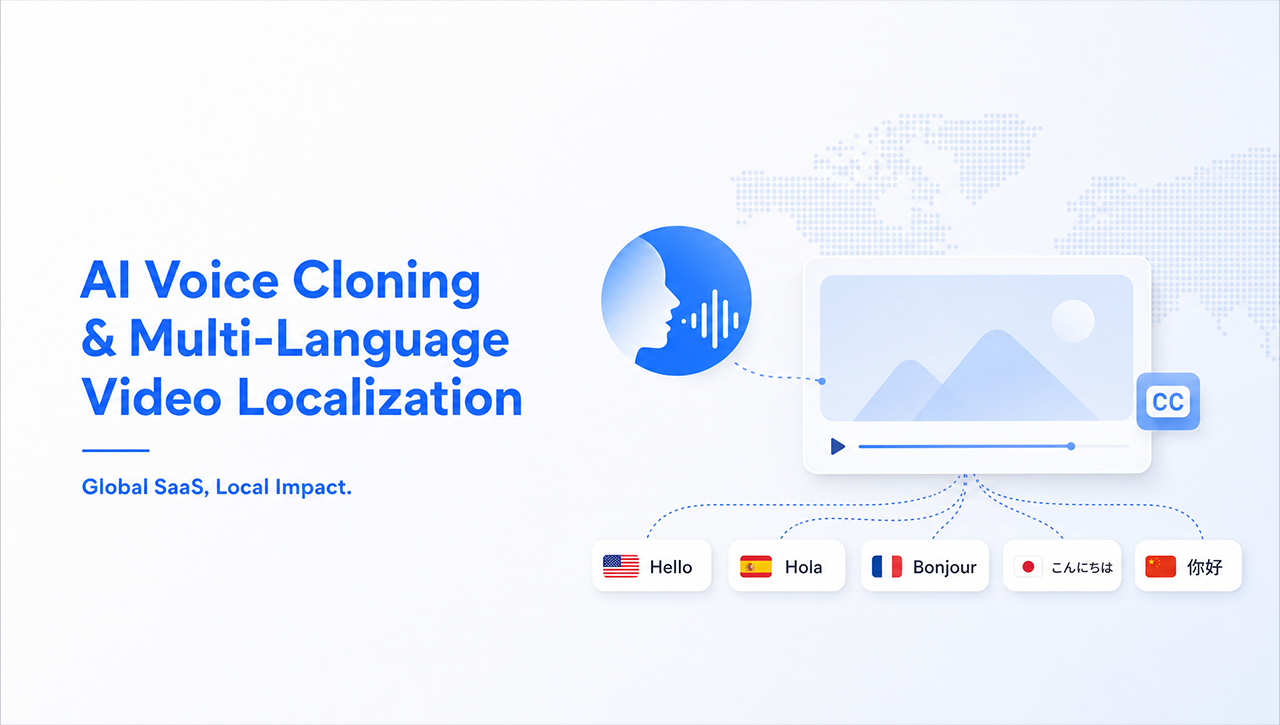
Personalization at a scale that used to be impossible. A single brand narrative can now be dynamically adapted, different language, different local reference points, sometimes different messaging entirely, without reshooting anything. That turns "one campaign" into potentially hundreds of tailored variants built from the same creative core, which is a genuinely different way of thinking about a brand story than "one video for everyone."
Format has stopped being a constraint. A hero video can be reframed and extended into vertical, square, and short-form cuts automatically, instead of a separate edit for every platform. Brand teams are starting to think in terms of a story that flexes across formats rather than a single asset that gets awkwardly cropped for wherever it needs to run next.
Interactive and shoppable formats are becoming part of the story itself. Video is increasingly not just something you watch but something you can act on directly, tapping a product inside the video to buy it, for instance. That blurs the line between "brand story" and "storefront" in a way traditional video never really could.
The counter-trend nobody expected
Here's the part that catches a lot of brands off guard: the more polished and effortless AI video generation becomes, the more some audiences are pulling toward the opposite. Highly produced, obviously "perfect" content is starting to read as intrusive or artificial in a feed full of it. Lo-fi, unpolished, native-feeling video is gaining ground specifically because it signals honesty in a landscape where anyone can generate something slick.
This isn't really a rejection of AI, it's a taste shift, and a smart one to plan around. The tools that let you produce more content, faster, also let you produce more of the rough, spontaneous-feeling content that performs well precisely because it doesn't look manufactured. The brands getting this right aren't choosing between polished and authentic, they're using the same AI toolkit to produce both, depending on what the specific piece needs to feel like.
Where the human role is actually heading
The people worried about AI replacing video creatives are asking the wrong question. What's actually happening is a shift in what the job is. Manual, repetitive editing work, the kind that used to eat most of a project's timeline, is increasingly automated. What's in higher demand is the person who can direct that process: choosing which model fits which shot, shaping pacing and tone, making the judgment calls a model can't make on its own about what a brand's story should actually feel like. Think less "editor cutting footage together" and more "director orchestrating a set of AI tools toward a specific creative outcome."
That's a real skill, and it's not one that disappears just because generation got easier. If anything, it becomes more valuable, because when everyone has access to the same models, the differentiator stops being "can you make an AI video" and becomes "do you have the taste to make a good one."
Where this is headed
The trajectory is pretty clear: more personalization, more format flexibility, faster iteration, and audio and visuals generated together rather than stitched afterward. What's less certain, and more interesting, is how brand storytelling itself evolves once producing video stops being the bottleneck. When the constraint isn't "can we afford to make this" but "do we actually have something worth saying," the brands that win won't be the ones with the best AI tools. They'll be the ones who used the extra room those tools created to tell a story actually worth telling.